

Best Casual Games for Short Play Sessions During Breaks
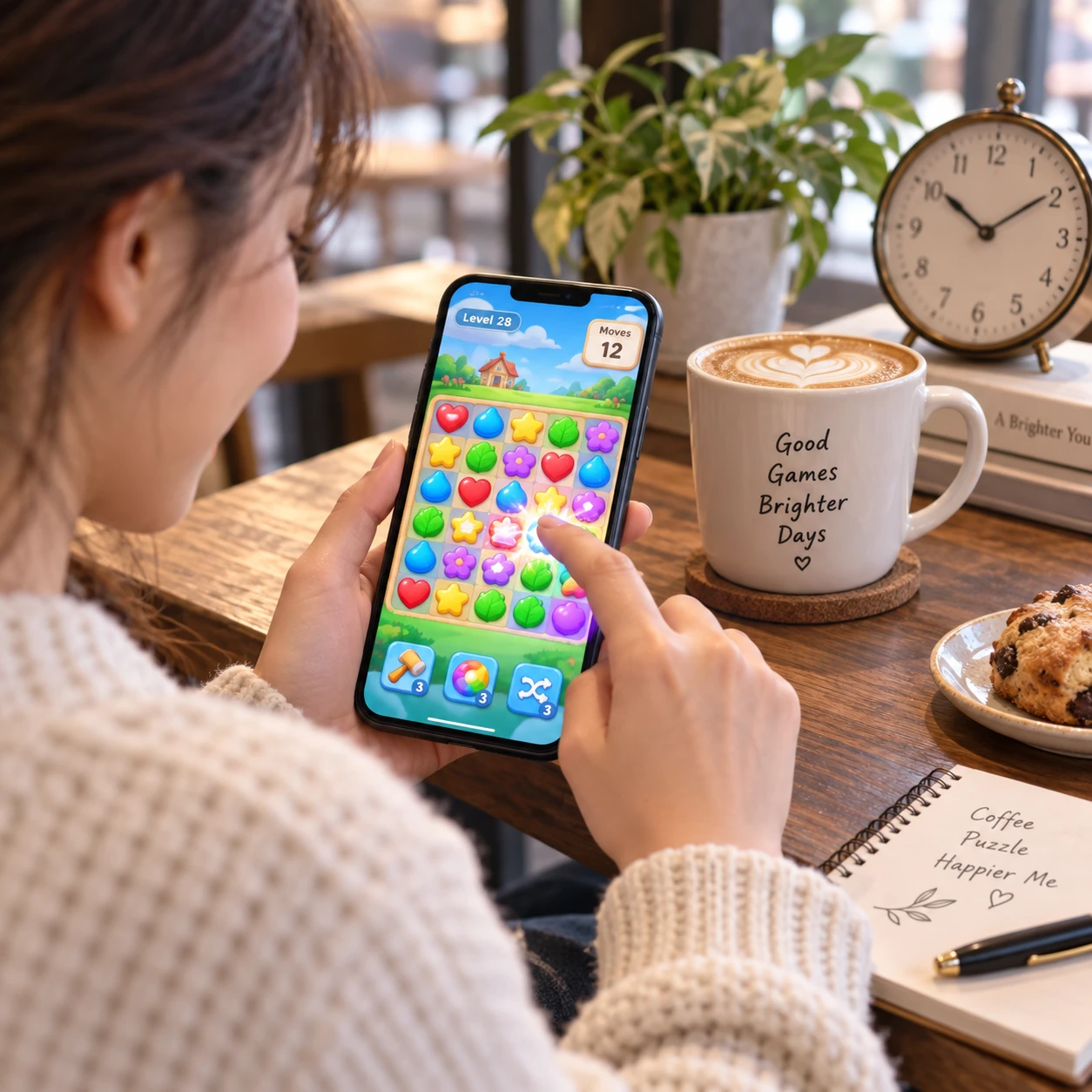
A good break-time game is easy to start, satisfying in a few minutes, and simple to put down when it is time to get back to your day. The best casual games for short play sessions include puzzles, word games, and arcade formats with clear stopping points, so you can choose something that fits your mood and available time.
Rather than searching for one perfect game, look for a good match: a quiet word challenge for a calm pause, a quick arcade round for an energy boost, or a puzzle you can save and resume. Device, setting, and how easily a game lets you stop matter as much as its genre.
What Makes a Casual Game Good for a Short Break?
A casual game suits a short break when it starts quickly, uses simple controls, and offers a natural stopping point. Ideally, it also saves progress or ends each round cleanly, so a few minutes of play do not turn into an awkward attempt to leave mid-action.
Quick starts matter. A game that launches directly into a level is more break-friendly than one that requires a long tutorial, account setup, or several menus. Simple controls help too: tapping, swiping, or choosing a word is easier to pick up when your attention is divided.
Next, check the session structure. A self-contained puzzle, one word round, or short arcade level gives you a clear finish line. Games with ongoing stages can still work if they let you pause or save progress at any time. Before playing, notice whether a round has a fixed timer or an unpredictable ending.
There is a trade-off: a game designed for endless play may be easy to access but harder to stop. For a quick break, prefer a format that tells you when a round is over, rather than relying on willpower to exit between levels.
Best Casual Game Types for Quick Sessions
Puzzle games, word games, and arcade games are reliable choices for quick sessions because they offer distinct rhythms and goals. Choose puzzles for focused problem-solving, word games for a low-pressure mental challenge, and arcade games for brief bursts of action.
Puzzle games
Puzzle games include tile matching, logic problems, block placement, and number challenges. A single board or level can provide a complete activity, which makes puzzles convenient when you have a few minutes and want to concentrate. Look for untimed modes if you prefer to think at your own pace.
Word games
Word games ask you to form words, find hidden terms, solve clues, or guess a daily answer. They work well for a calm break because most rely on reading and tapping rather than fast reactions. A daily puzzle can create a tidy routine, though a streak system may make play feel like an obligation. Skip that pressure if you want gaming to stay relaxing.
Arcade games and other quick formats
Arcade games favor movement, timing, and short attempts. They can deliver an immediate change of pace, but rapid action may be less suitable in a busy workplace or a shared space. Runner, reflex, and simple card games are other approachable options; check that each round ends promptly and that losing does not launch another round automatically.
Match the format to your mood: choose a quiet puzzle when you want focus, a word game when you want a gentle challenge, and an arcade round when you want a burst of energy.
Match a Game to the Length of Your Break
Choose a game by the time you actually have, not by how long you hope to play. A few spare minutes call for one self-contained round, while a longer pause can accommodate a puzzle with several steps or a couple of short levels.
- About two to five minutes: Try one word puzzle, a quick card hand, or a single arcade attempt. Avoid games that make you wait through lengthy animations or tutorials.
- About five to ten minutes: Choose a puzzle with a clear level boundary or a few short rounds. Check for a pause button or automatic progress saving before you begin.
- Ten minutes or more: A longer logic puzzle, a series of stages, or a relaxed collection of mini-games may fit. Decide in advance when you will stop, especially if the game offers endless levels.
Build in a small buffer if your break has a firm end time. A round that typically takes five minutes may last longer when you are close to solving it, so choose something shorter when you need to return on schedule. If the game does not show round length, play one session first and use that experience to judge whether it fits future breaks.
One useful filter is the exit test: before starting, ask, “Can I stop at the next clear point without losing progress?” If the answer is no, save that game for a less time-sensitive pause.
Choose Games That Fit Your Device and Setting
Mobile games are convenient when you want to play on a phone or tablet, while browser games can be easier to access on a computer without installing an app. The better choice depends on your device, internet access, privacy needs, and whether your surroundings allow sound and focused attention.
On mobile, check whether a game works in portrait mode, responds well to one-handed controls, and can be muted quickly. Touch screens suit tapping and swiping, but small buttons can be frustrating if you are moving or sharing a table. Some mobile games also include notifications, in-app purchases, or ads, so review the settings before settling into a routine.
Browser games can be practical on a laptop because they open in a tab and may be easy to close when a break ends. However, they may depend on a stable connection, and workplace or school devices can restrict access. Avoid entering personal information or installing extensions just to try a casual game.
In public or at work, keep the experience discreet: turn off sound, use headphones only where appropriate, and choose a game that does not demand constant attention. If you may be interrupted, favor pick-up-and-play formats with pause controls or saved progress. Convenience should not come at the cost of distracting people nearby.
Keep Break-Time Gaming Relaxing
Keep break-time gaming relaxing by choosing a comfortable difficulty, limiting interruptions, and deciding when to stop before you start. Ads, notifications, and endless progression can interrupt a short session or make it run past your break.
Start with a difficulty that feels engaging rather than punishing. If a puzzle becomes frustrating, switch modes or choose a different format instead of turning a brief pause into a test of persistence. Some games also make progress depend on repeated attempts; that can be enjoyable, but it is a poor fit when you have a strict time limit.
Check the game’s ad and notification settings. A short round can feel much longer if it is interrupted by pop-ups, and a notification can pull your attention away after you have stopped playing. Where available, disable nonessential alerts and use built-in mute controls.
- Set a timer for the end of your break if you tend to lose track of time.
- Stop at a level boundary or saved checkpoint rather than starting one more round.
- Choose a different game if ads, streak reminders, or timed challenges add pressure.
A common mistake is starting a long or unpredictable mode because the game itself seems casual. The label “casual” does not guarantee a short session. Check for an exit point first, and treat a game’s session design as part of its suitability.
How to Pick Your Next Quick-Play Game
To pick a quick-play game, match your available time, mood, device, and stopping point before you begin. A simple choice based on those four factors is more useful than choosing a popular game that may not fit your break.
Use this quick check:
- Time: How many minutes can you spare, including the time needed to close the game?
- Mood: Do you want calm concentration, a light word challenge, or fast action?
- Setting: Are sound, connectivity, and focused attention practical where you are?
- Stopping point: Can you finish a round, pause, or save progress on time?
If a game passes those checks, give it one short trial. Notice how long a round takes and whether you feel refreshed or more distracted afterward. Keep the games that fit your routine, and leave the rest for another occasion.
The right casual game is the one that feels enjoyable at the scale of your break. With a clear endpoint and a format that suits your device, a quick session can stay quick, whether you choose a puzzle, a word game, or a brief arcade round.