
How Casual Games Reduce Stress and Improve Mental Well-being
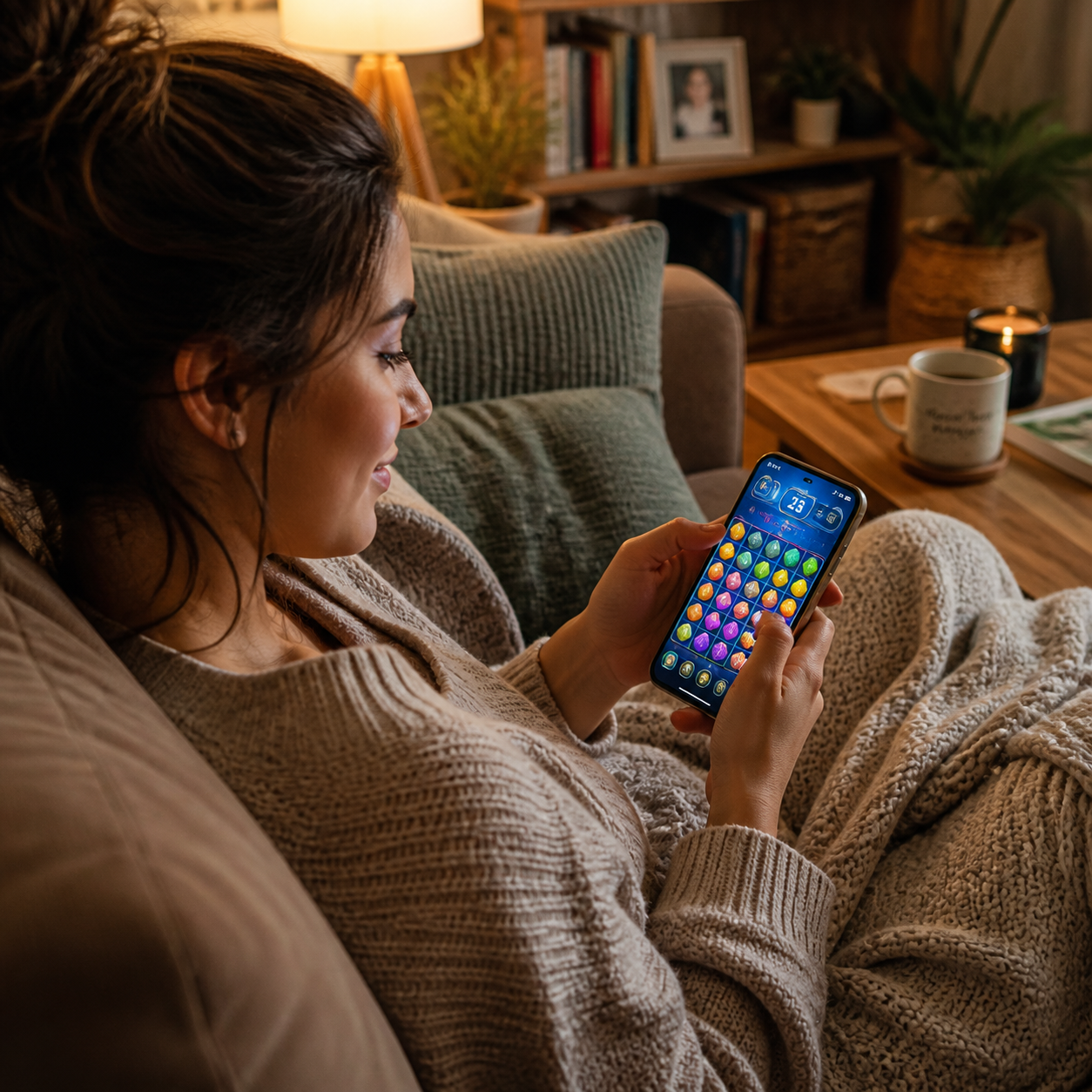
After a long day, millions of people reach for their phones and tap open a match-3 puzzle or a soothing idle game — not because they planned to, but because something about it just works. There's a reason casual gaming has become one of the most popular forms of daily entertainment worldwide, and it goes well beyond killing time. The connection between casual games and stress relief is grounded in real psychology, and understanding it can help you feel good about how you unwind.
What Makes a Game "Casual"?
A casual game is any game designed for quick, low-pressure play sessions that require little to no prior gaming experience. Unlike hardcore or competitive titles that demand hours of focused practice, casual games are built around accessibility — simple rules, short rounds, and satisfying feedback loops anyone can enjoy from the first minute.
Think match-3 puzzles like Candy Crush, idle clicker games, word games, solitaire, or light simulation titles. These games share a few defining traits: they're easy to pick up, easy to put down, and designed to feel rewarding rather than frustrating. That design philosophy is exactly what makes them so effective for mental decompression.
The contrast with hardcore gaming matters here. Competitive multiplayer or action-heavy games often elevate cortisol levels and demand intense cognitive resources. Casual games do the opposite — they invite you in gently and let you leave without penalty.
The Psychology Behind Gaming and Stress Relief
Casual games reduce stress by triggering the brain's reward system, activating a relaxation response, and providing healthy cognitive distraction from the sources of everyday tension.
When you complete a puzzle or clear a level, your brain releases dopamine — the neurotransmitter associated with pleasure and motivation. This reward loop is the same mechanism behind why finishing a to-do list feels satisfying. Casual games deliver these small, frequent wins in a controlled environment, which is genuinely calming for an overstimulated mind.
Psychologists also point to the concept of attentional distraction as a key stress-relief mechanism. When your focus is absorbed by a game — even a simple one — the rumination cycle that feeds anxiety and stress is temporarily interrupted. Your brain can't simultaneously worry about tomorrow's meeting and figure out which tiles to match next.
The relaxation response, a physiological state of reduced heart rate and lowered cortisol, can be induced by activities that combine gentle focus with repetitive, predictable actions. Many casual game formats — tapping, sorting, matching — fit this profile naturally.
Flow State and Mindfulness Through Play
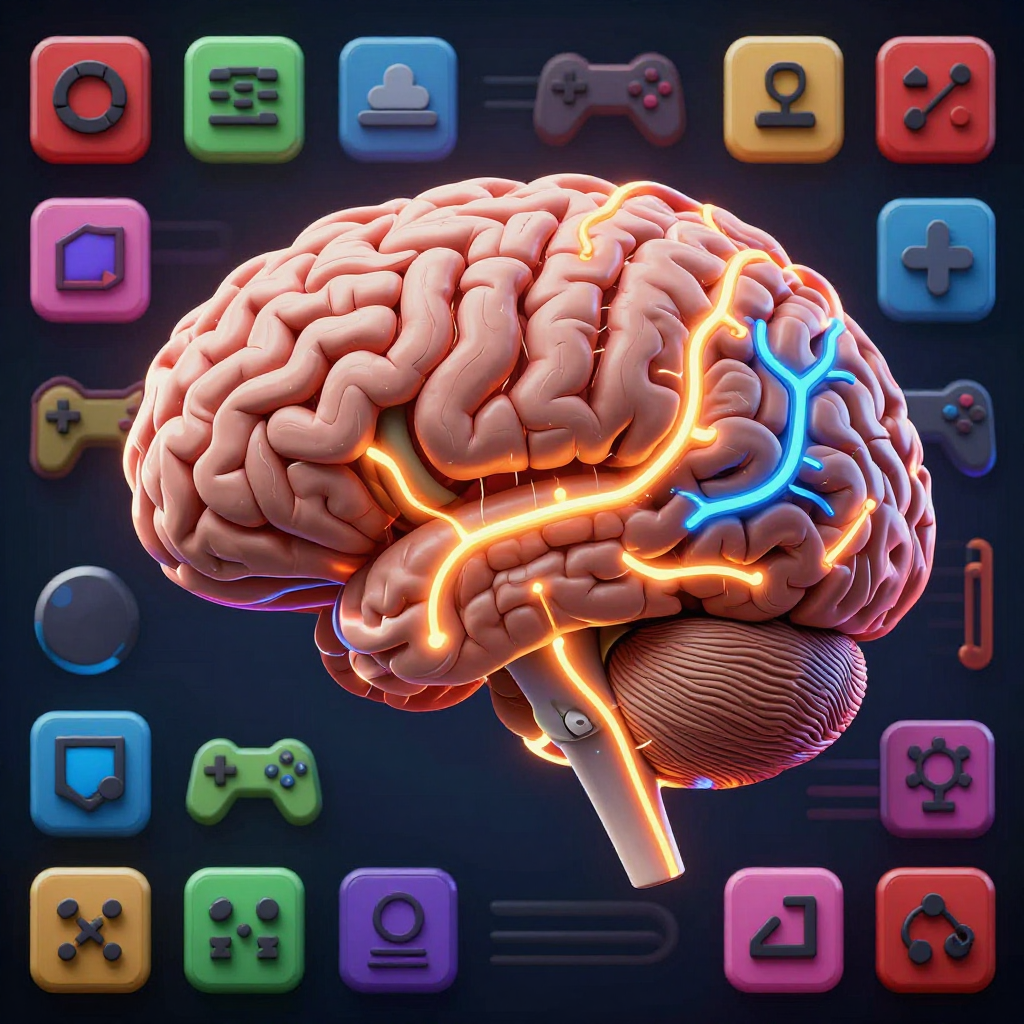
Casual games can induce a mild flow state — a condition of effortless absorption where time seems to disappear and mental chatter quiets down. This is remarkably similar to what mindfulness practices aim to achieve.
Psychologist Mihaly Csikszentmihalyi, who developed flow theory, described flow as occurring when the challenge level of a task closely matches your skill level. Casual games are engineered to hit this sweet spot — they gradually increase difficulty just enough to stay engaging without tipping into frustration. That balance is the engine of flow.
During flow, the prefrontal cortex — the part of your brain responsible for self-criticism and worry — becomes less active. You're not thinking about yourself; you're just playing. For people who struggle to quiet their minds through traditional meditation, a well-designed casual game can offer a gentler entry point into that same restorative mental space.
This isn't a replacement for dedicated mindfulness practice, but it's a legitimate complement. The key is choosing games that match your current energy level — something engaging enough to hold attention, but not so demanding that it creates its own stress.
Types of Casual Games Best Suited for Mental Well-being
Not all casual games deliver the same mental health benefits. The format matters, and different game types serve different psychological needs.
- Puzzle games and match-3 games — Titles built around pattern recognition and problem-solving provide gentle cognitive engagement that keeps the mind active without overwhelming it. The satisfaction of clearing a board is a reliable dopamine hit.
- Idle games — Sometimes called "clicker" games, these require minimal input and create a sense of steady, effortless progress. They're particularly effective when you want to decompress without making decisions.
- Word games — Crosswords, word searches, and vocabulary puzzles stimulate language centers in the brain and are associated with improved mood and light mental exercise.
- Simulation and building games — Games that let you construct, grow, or organize virtual spaces tap into a sense of control and accomplishment — feelings that directly counteract the helplessness stress often creates.
- Solitaire and card games — Classic for a reason. The repetitive, structured nature of card games creates a predictable rhythm that many people find inherently soothing.
If stress relief is your primary goal, lean toward games with clear visual feedback, forgiving difficulty curves, and no time pressure. Anything that punishes you for pausing or losing concentration works against the relaxation you're seeking.
Benefits Beyond Stress Relief: Mood, Focus, and Social Connection
The mental health benefits of casual gaming extend well past simple stress reduction. Regular, moderate play has been associated with improved mood, light cognitive stimulation, and — perhaps surprisingly — social connection.
On the mood side, the dopamine released during gameplay creates a measurable uplift in emotional state. This is why many people describe casual gaming as a reliable way to "reset" after a difficult experience. It's not numbing — it's genuinely restorative.
Cognitive engagement through puzzle and strategy-light games also helps maintain mental sharpness. Research published through the National Institute on Aging supports the idea that mentally stimulating leisure activities contribute to cognitive health over time. Casual games fit comfortably within this category.
Social features built into many online gaming platforms add another dimension. Leaderboards, co-op modes, and community challenges create a sense of belonging and friendly competition that can reduce feelings of isolation. Even playing alongside a friend — each on your own device — creates a shared experience worth talking about.
How to Play Mindfully: Tips for a Healthy Casual Gaming Habit
Casual gaming supports well-being best when it's intentional rather than automatic. A few simple habits make the difference between genuinely restorative play and mindless scrolling.
- Set a comfortable time limit — 15 to 30 minutes is enough to feel the stress-relief benefits without encroaching on sleep or other priorities. Most casual games are designed for exactly this session length.
- Play at a natural transition point — after work, after dinner, or during a break — rather than as a procrastination tool during tasks that need your attention.
- Notice how you feel before and after. If you finish a session feeling calmer and lighter, that's the game doing its job. If you feel irritated or more anxious, it may be worth switching genres or taking a break.
- Keep screen time balance in mind. Casual gaming is one tool in a wellness toolkit, not the whole toolkit. Pair it with physical movement, social interaction, and adequate sleep.
- Avoid playing right before bed if blue light or game stimulation affects your sleep quality. Many players find that a short session an hour before bed works well; playing in the last 20 minutes before sleep is worth testing individually.
The goal is to use casual games the way you'd use a short walk or a cup of tea — as a deliberate, enjoyable pause that helps you return to life feeling better.
Choosing the Right Platform for Your Casual Gaming Experience
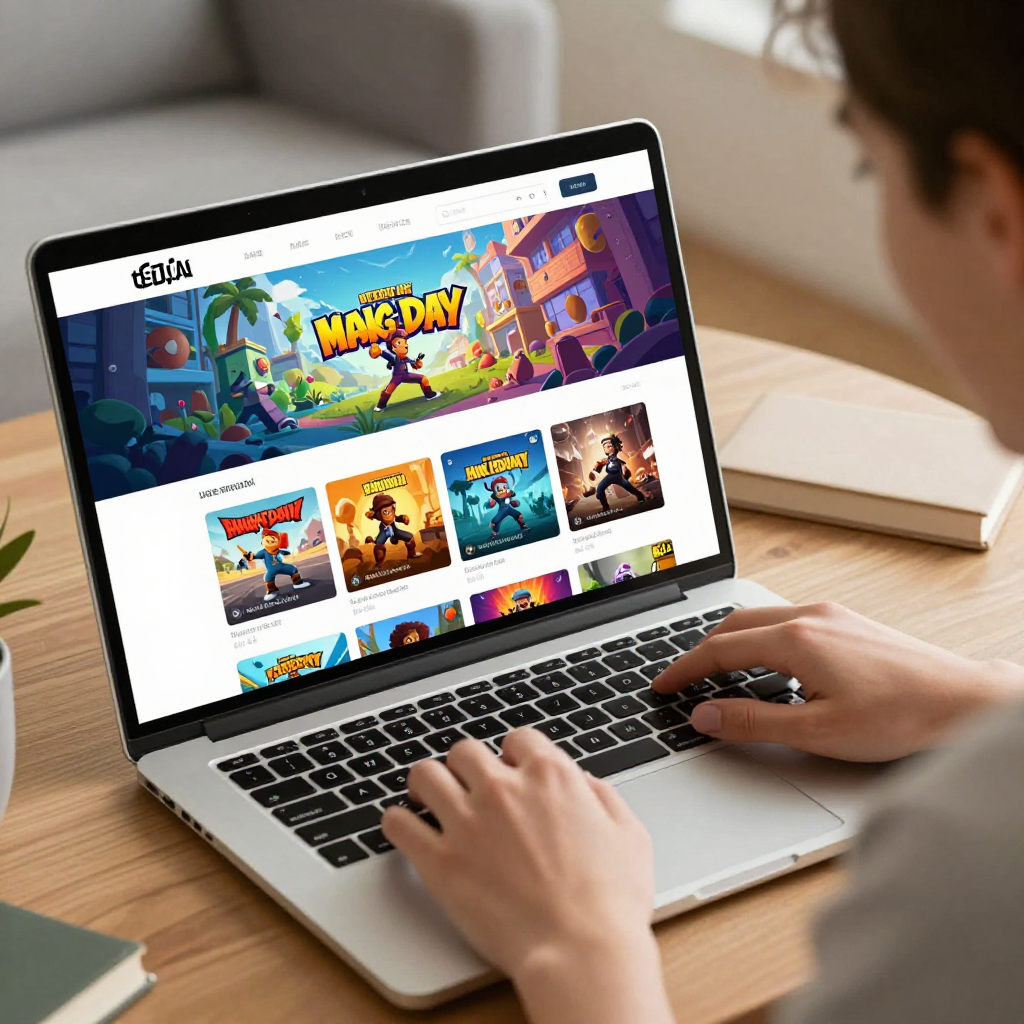
The platform you play on shapes your experience as much as the game itself. A quality online gaming platform makes casual play feel effortless, welcoming, and genuinely enjoyable.
Look for platforms that offer a diverse library of game types — puzzles, word games, idle titles, and simulations — so you can match your game choice to your mood. A good platform also loads quickly, works smoothly on mobile and desktop, and doesn't interrupt gameplay with excessive ads or aggressive monetization that creates frustration instead of relieving it.
Community features matter too. Platforms that include optional social elements — friendly leaderboards, seasonal challenges, or shared achievements — add a layer of connection without making competition feel mandatory. You can engage as much or as little as you like.
Accessibility is another marker of a well-designed casual gaming environment. Games should be playable in short bursts, save your progress reliably, and never punish you for stepping away. That respect for your time and energy is what separates platforms built for genuine enjoyment from those built purely for engagement metrics.
Frequently Asked Questions
Are casual games actually good for your mental health?
Yes, within reasonable limits. Casual games trigger dopamine release, provide attentional distraction from stressors, and can induce mild flow states — all of which have documented psychological benefits. They work best as one part of a broader self-care routine rather than as a standalone solution.
How long should I play casual games to feel stress relief?
Most people notice a meaningful shift in mood and tension after 10 to 20 minutes of play. Sessions of 15 to 30 minutes tend to hit the sweet spot — long enough to enter a relaxed state, short enough to avoid fatigue or guilt about screen time.
Can casual games help with anxiety?
They can help manage mild, everyday anxiety by interrupting rumination cycles and providing a sense of control and accomplishment. For clinical anxiety disorders, casual gaming can be a useful complementary tool, but it's not a substitute for professional mental health support.
What is the difference between healthy gaming and escapism?
Healthy gaming is intentional — you play for a defined period, feel better afterward, and return to your responsibilities without difficulty. Escapism becomes a concern when gaming is used to avoid problems that need addressing, sessions regularly exceed what you intended, or you feel worse (not better) when you stop playing.
Which casual game genres are best for beginners?
Match-3 puzzle games, solitaire, and simple word games are ideal starting points. They have virtually no learning curve, provide immediate feedback, and are designed to feel rewarding from the very first session. Idle games are also great for beginners who want a relaxing experience with minimal decision-making.
Casual gaming, at its best, is a small act of kindness toward yourself — a few minutes carved out of a busy day to do something enjoyable, low-stakes, and genuinely restorative. That's not a guilty pleasure. That's a wellness habit worth keeping.